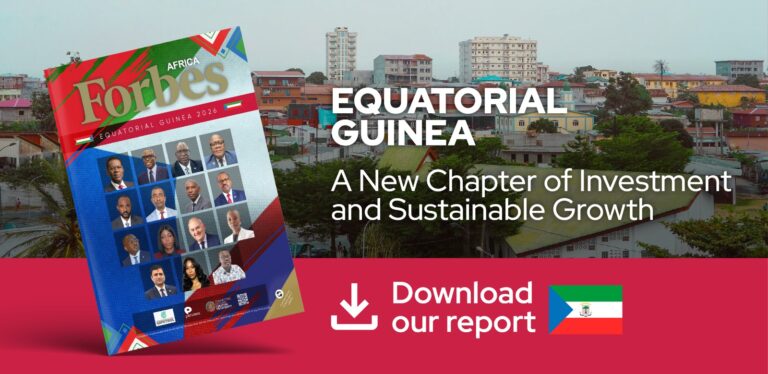
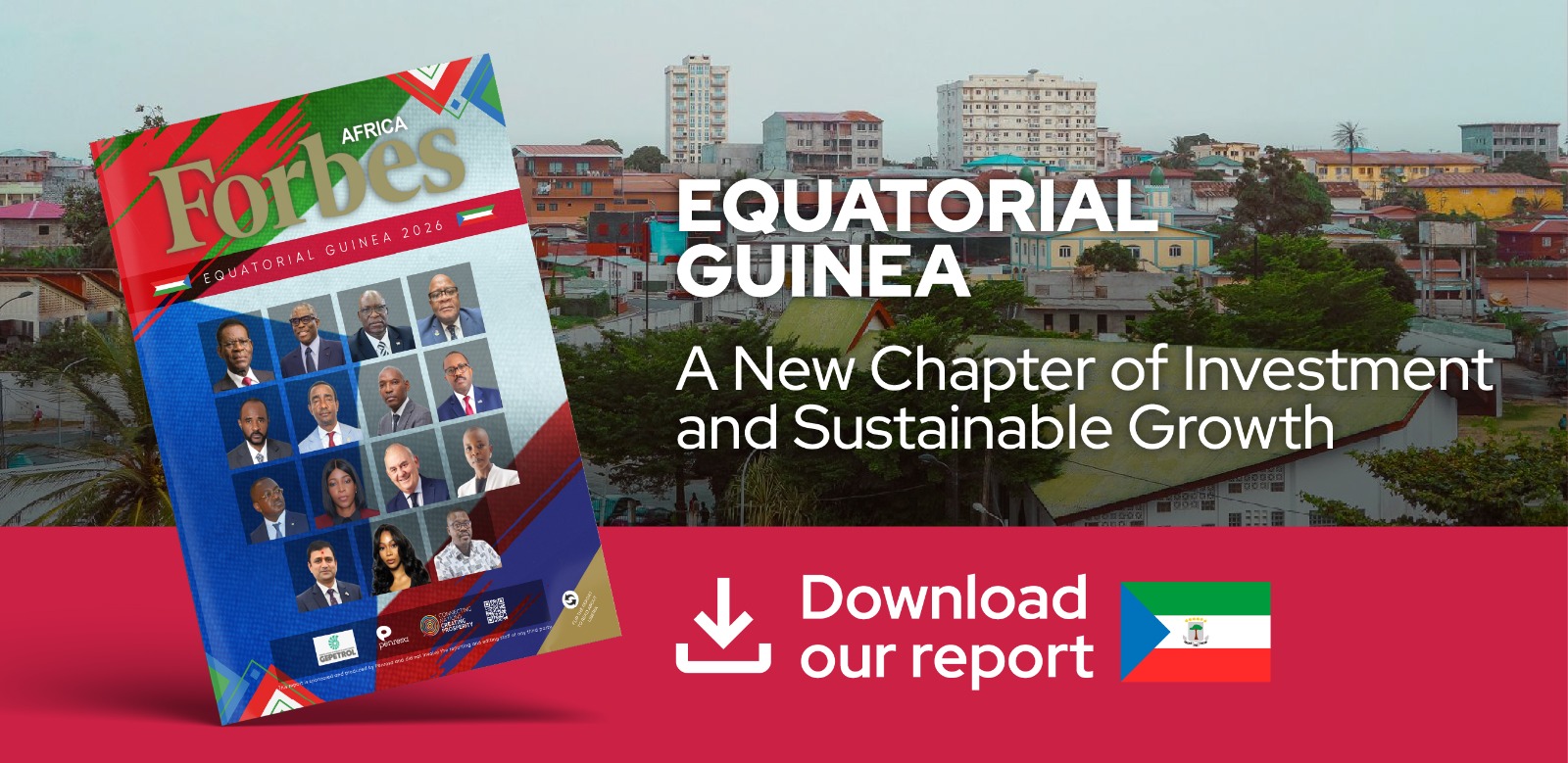
With a renewed focus on diversification and digitalization, Equatorial Guinea is leveraging its resources to create inclusive, long-term growth.
“Agro-processing is a key priority, as our goal is to ultimately achieve national self-sufficiency and independence.”
says President Teodoro Obiang Nguema Mbasogo.
Equatorial Guinea is entering a new phase in its economic story–one defined by diversification, competitiveness, and connection.
After years of oil-driven expansion, the country is building a more balanced model that encourages private enterprise and sustainable growth. Companies in telecommunications, logistics, finance, and services are emerging as new pillars of activity.
Across Africa, digitalization and entrepreneurship are fueling transformation, and Equatorial Guinea is positioning itself within this regional shift toward innovation and resilience.
In recent years, infrastructure upgrades and private investment have opened new areas of opportunity. The expansion of broadband connectivity, improvements in transport networks, and the growth of business services are strengthening the foundations of a more modern economy.
While hydrocarbons still account for the majority of export revenues, non-oil sectors are increasingly shaping domestic activity and employment. The private sector is driving much of this progress. Entrepreneurs are creating businesses that add value and respond to evolving market needs.
“We see ourselves as partners in the development of the country,” says tax and legal professional,”
says Sinforiano Ngomi Elomba.
“Beyond our advisory work, we mentor young professionals, take university interns, and run seminars with the Tax Administration to strengthen tax culture and build trust between companies and the state.”
Local initiative is increasingly shaping the economy, as young professionals and small business owners seize opportunities in emerging sectors.
Programs supporting entrepreneurship and self-employment are making a measurable difference.
“The perception of entrepreneurship in Equatorial Guinea has changed significantly,” notes Paulino José Menejal Pelayo, General Manager of INPYDE.
“More young people now see it as a genuine alternative to public sector employment, especially given demographic pressures and limited job opportunities. This cultural shift is essential for building a sustainable private sector.”
Equatorial Guinea’s geographic position on the Atlantic coast provides natural advantages for trade and investment. With improved port infrastructure and expanding digital networks, the country is better connected to regional markets. Cross-sector collaboration is creating new efficiencies and fostering innovation across industries.
“With our young, talented population, new projects in tourism, agriculture, hydrocarbons, mining, and services such as artificial intelligence can create value for both investors and society,” Elomba emphasizes.
At the national level, this momentum aligns closely with the vision of President Teodoro Obiang Nguema Mbasogo, who has championed diversification, competitiveness, and sustainable progress. As he affirms: “Agro-processing is a key priority, as our goal is to ultimately achieve national self-sufficiency and independence”.
This statement reflects a long-term vision to convert resource wealth into productive industries that empower citizens, generate employment, and build lasting prosperity. This vision is also shared by the country’s younger generation of policymakers and business leaders, who see innovation as the key to long-term resilience.
The government’s economic strategy increasingly prioritizes education, digital literacy, and green transition projects to prepare the workforce for future industries. Initiatives such as capacity-building programs for SMEs, improved access to credit, and incentives for sustainable tourism are all part of a wider effort to unlock national potential and strengthen competitiveness.
Challenges remain, particularly in building technical skills, financing SMEs, and maintaining investor confidence. Yet diversification continues to advance step by step, supported by public-private partnerships and the growing role of local enterprise.
Collaborative programs between government institutions and domestic firms are fostering inclusion and driving economic transformation.
The government’s commitment to sustainable growth is further demonstrated through its focus on renewable energy, tourism, aquaculture, and agro-processing—sectors now drawing growing international attention.
The establishment of a new industrial park near Bata, the expansion of digital platforms, and the promotion of modern business practices all highlight a deliberate strategy to position Equatorial Guinea as a dynamic and future-ready economy.
Equatorial Guinea’s story today is one of steady adaptation. The foundations laid through years of energy investment are supporting a meaningful transition toward a diversified, competitive, and resilient model of development.
As Menejal Pelayo observes, “With the right investment, sectors like agriculture, fishing, and logistics could generate employment and accelerate diversification”.
Guided by strong leadership, innovation, and a clear national vision, Equatorial Guinea is charting a confident path toward a sustainable and prosperous future.

Equatorial Guinea: Charting A New Era Of Sustainable Prosperity
With a renewed focus on diversification and digitalization, Equatorial Guinea is leveraging its resources to create inclusive, long-term growth.